

The RupeeVerse blog
Finance explained in simple language: stocks, mutual funds, IPOs, trading, tax and the economy, from your first step to advanced. New to a word? The glossary explains it in a line.
 How to Read an RHP: What to Check Before an IPO OpensHow to read an RHP before an IPO opens: where to find it, which sections matter, what to check in each, and a simple ₹ example with made-up numbers.
 How to Check if an Investment Adviser Is SEBI RegisteredHow to check if an investment adviser is SEBI registered: use SEBI's official list, match the INA or INH number, spot red flags and know where to complain.
 IPO Allotment Process: How Shares Are Allotted in IndiaIPO allotment process explained simply: how the registrar picks winners, the draw of lots, the T+3 timeline and how to check your status, with a ₹ example.
 Nifty vs Sensex: What Is the Difference? A Simple GuideNifty vs Sensex: what is the difference? Learn how many companies each has, why their numbers differ, how they are calculated and what it means for index funds.
 What Is Swing Trading? A Beginner's Guide for IndiaWhat is swing trading? Learn how holding a stock for days to weeks works, how entry and stop-loss rules fit, the 20% tax and costs, with a simple ₹ example.
 Why Is the Stock Market Up Today? Nifty, Sensex Up 2%Why is the stock market up today? On 5 November 2026 the Nifty rose 2.40% and the Sensex 2.60%. See four reasons: crude oil, FII money, global cues, earnings.
 What Is a Demat Account? How It Works and What It CostsWhat is a demat account? Learn what it holds, how it differs from a trading account, how to open one and what SEBI's BSDA rules say it can cost to keep.
 Belated ITR Last Date 2026: Late Fee, Interest, StepsBelated ITR last date for FY 2025-26 is 31 December 2026. See the late fee, interest, a worked ₹ example and how to file a belated return step by step.
 What Is India VIX? How to Read the Fear Gauge SimplyWhat is India VIX? Learn how NSE's volatility index is worked out, how to turn it into a rough 30-day Nifty range with a ₹ example, and what high or low means.
 Digital Gold vs Gold ETF: Which Is Regulated in India?Digital gold vs gold ETF: see what SEBI said on 8 November 2025, how each works, a ₹ example with costs, and the tax rules before Dhanteras 2026.
 What Is Repo Rate? How It Affects Your EMI and FDWhat is repo rate? Learn what the RBI repo rate means, why it rose to 5.50% in October 2026 and how it changes your home loan EMI, FD and debt funds.
 Advance Tax Due Date 2026: Who Must Pay by 15 DecemberAdvance tax due date 15 December 2026: who must pay, the four instalments, a worked ₹ example, interest if you miss a date and how to pay online.
 What Is Exit Load in Mutual Funds? SEBI's New 3% CapWhat is exit load in mutual funds? Learn how the early-exit fee works, what SEBI's new 3% cap means, and how to check it, with a simple ₹ example.
 What Is Expense Ratio in Mutual Funds? Guide for 2026What is expense ratio in mutual funds? Learn how the yearly fee works, what SEBI's 1 April 2026 rules changed and how direct and regular plans differ.
 SME IPO vs Mainboard IPO: Key Differences ExplainedSME IPO vs mainboard IPO: see how company size, minimum application, lot size and trading differ, with a ₹ example and SEBI's October 2026 proposals.
 How Is LTCG Tax Calculated on Shares? FY 2026-27 GuideHow is LTCG tax calculated on shares? See the 12-month rule, 12.5% rate, ₹1.25 lakh exemption, STCG at 20% and a worked ₹ example for FY 2026-27.
 Muhurat Trading 2026: Date, Time and How It WorksMuhurat trading 2026 is on Sunday, 8 November. Learn the timings, why it is held on Diwali, whether trades are real and how a beginner can take part.
 What Is SIP in Mutual Funds? How It Works With ExampleWhat is SIP in mutual funds? Learn how a SIP works step by step, what NAV and units mean, and what to check before you start, with a simple ₹ example.
 IPO Terms Explained: 33 Key Words With ExamplesIPO terms explained in plain English: mainboard, SME, price band, lot size, allotment, listing gain, GMP and 26 more, each with a simple ₹ example.
 IPO This Week: 8 Issues, Price Band, Dates and Lot SizeIPO this week: dates, price band, lot size, GMP and subscription for 8 mainboard and SME issues, with what to check in each offer document before you apply.
 BLS Polymers IPO Review: Dates, Financials and RisksBLS Polymers IPO review: price band, dates, lot size, use of funds, financials and risks from the RHP, with simple rupee sums. Facts only, no verdict.
 How to Apply for an IPO in India: Step-by-Step GuideHow to apply for an IPO in India, step by step: what you need, UPI approval, lots, allotment, listing day and the mistakes that get a bid rejected.
 Paras Healthcare IPO: Price Band, Dates, Lot SizeParas Healthcare IPO opens 21 October at ₹660 to ₹693: lot size, dates, quotas, who is offering shares, use of funds, financials and valuation explained.
 Reliance Jio IPO: Apply or Avoid? All the DetailsReliance Jio IPO: price band ₹1,065 to ₹1,119, lot size, dates, the ₹2,500 crore Reliance shareholder quota, use of funds, financials and valuation.
 HD Fire Protect IPO: Price Band, Dates, Lot Size ExplainedHD Fire Protect IPO opens 13 October at ₹258 to ₹271, 55 shares a lot. Learn the issue size, who gets the money, financials, risks, GMP and allotment.
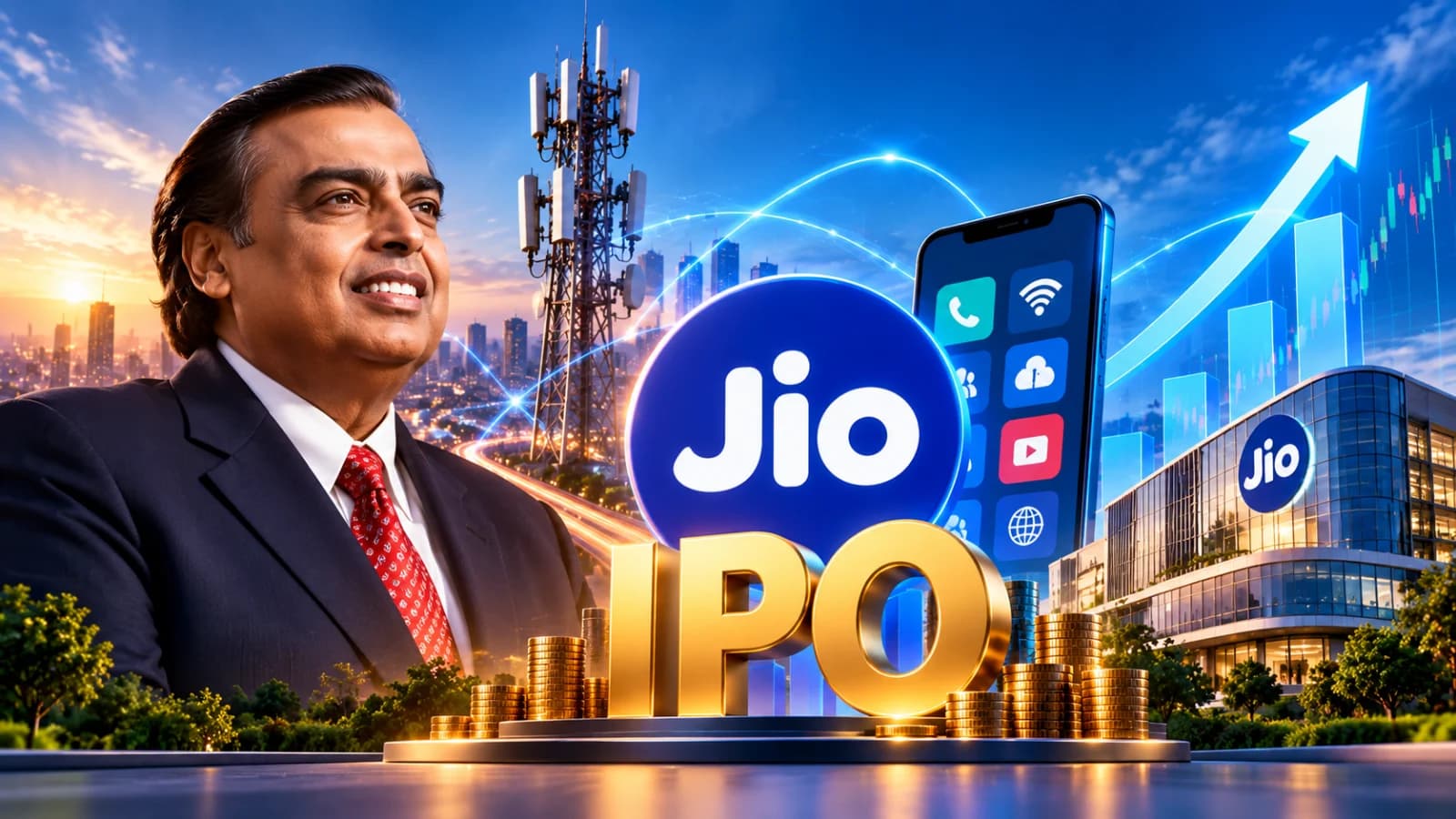 Jio IPO 2026: Date, Size, Shareholder Quota ExplainedJio IPO 2026 explained simply: dates, ₹37,000 crore size, fresh issue, use of funds, the RIL shareholder quota, GMP and what decides listing day.
 What Is GMP in IPO? Meaning, How It Works and Its RisksWhat is GMP in IPO? Learn what grey market premium means, how to read it, why it changes and why it is unofficial, with a simple ₹ example for beginners.